Restoring Your First Generation Ford Mustang: A Comprehensive Guide
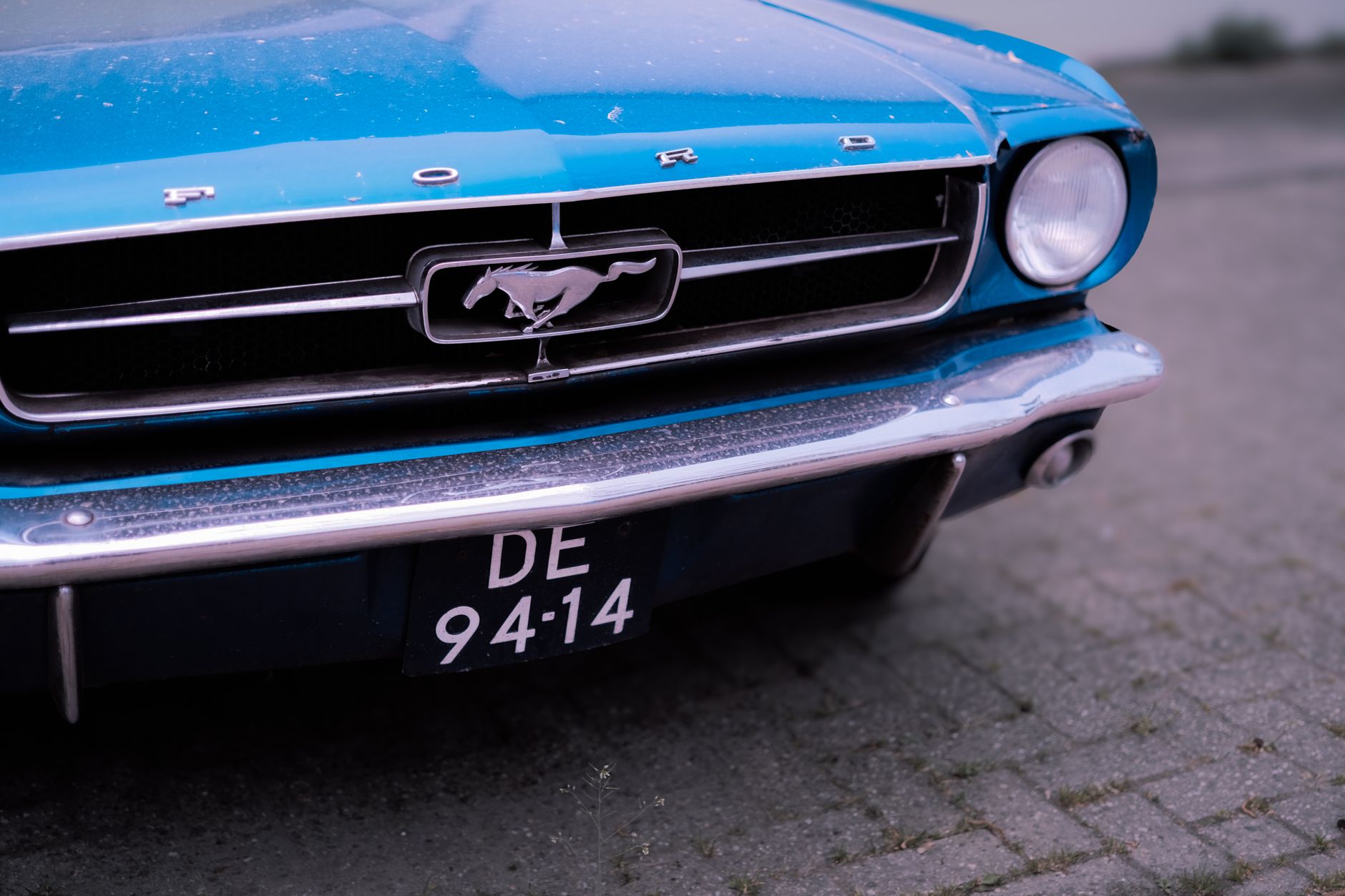
Restoring Your First Generation Ford Mustang: A Comprehensive Guide
The first generation Ford Mustang, produced from 1964 to 1973, is a classic American muscle car that continues to capture the hearts of car enthusiasts. Restoring one of these iconic vehicles can be a rewarding, albeit challenging, experience. This guide will provide you with essential steps and tips for a successful restoration project.
1. Planning Your Restoration
Before diving into the restoration process, it's important to have a solid plan. Here are some key factors to consider:
- Set a Budget: Determine how much you are willing to spend on the restoration. Costs can vary significantly based on the condition of the car and the quality of parts you choose.
- Define Your Goals: Decide whether you want a show-quality restoration, a daily driver, or a project car just for fun. Your goals will guide your decisions throughout the process.
- Research: Familiarize yourself with the specific model and year of your Mustang. Join online forums or local clubs to connect with other enthusiasts who can offer advice and support.
2. Assessing the Condition of Your Mustang
Once you've set your goals, it's time to assess the condition of your Mustang. Take a detailed look at:
- Exterior: Check for rust, dents, and paint condition. Pay particular attention to common rust spots such as the wheel wells, trunk floor, and undercarriage.
- Interior: Inspect the seats, dashboard, and upholstery. Look for wear and tear that may need to be addressed.
- Mechanical Components: Evaluate the engine, transmission, brakes, and suspension. Ensure that all systems are functional or identify those that need repairs.
3. Gathering Tools and Parts
Having the right tools and parts on hand can make your restoration much smoother. Consider the following:
- Essential Tools: A basic toolkit including wrenches, sockets, screwdrivers, and pliers. Depending on your project, you may need specialized tools like a torque wrench or an impact gun.
- Parts Sources: Research suppliers for OEM (original equipment manufacturer) parts, aftermarket parts, or second-hand components. Websites, local auto parts stores, and classic car salvage yards can be great resources.
4. Step-by-Step Restoration Process
Now that you have your plan, assessment, tools, and parts, you're ready to begin the restoration process. Here’s a general step-by-step approach:
- Disassembly: Carefully remove all parts and components from the vehicle. Label and organize everything to facilitate reassembly.
- Bodywork: Address any rust issues and repair dents. If needed, replace panels or sections of the body. Once repairs are complete, consider repainting the car in its original color.
- Interior Restoration: Clean or replace interior components. Reupholster seats if necessary, and restore the dashboard and other features.
- Mechanical Rebuild: Rebuild or replace the engine, transmission, and other critical mechanical systems. Ensure everything is in top working condition.
- Final Assembly: Reassemble the Mustang, ensuring all components are properly installed and functioning.
5. Testing and Troubleshooting
After completing the restoration, it's crucial to test the vehicle. Check the following:
- Engine Performance: Start the engine and check for any unusual sounds or leaks.
- Braking System: Test the brakes in a safe area to ensure they respond properly.
- Steering and Suspension: Ensure the steering feels smooth and the suspension is functioning as expected.
6. Enjoying Your Restored Mustang
With your restoration complete, it’s time to enjoy the fruits of your labor. Take your first generation Ford Mustang to car shows, cruise-ins, or simply enjoy a drive on a scenic route. Remember to keep up with maintenance to preserve its beauty and performance.
Conclusion
Restoring a first generation Ford Mustang is a labor of love that requires dedication, patience, and attention to detail. By following this comprehensive guide, you can transform a classic into a stunning, roadworthy icon. Happy restoring!